 .
.𝐉𝐨𝐡𝐧 𝟏𝟓:𝟏𝟖–𝟐𝟓: 𝐇𝐚𝐭𝐞𝐝 𝐛𝐲 𝐭𝐡𝐞 𝐖𝐨𝐫𝐥𝐝, 𝐋𝐨𝐯𝐞𝐝 𝐛𝐲 𝐂𝐡𝐫𝐢𝐬𝐭
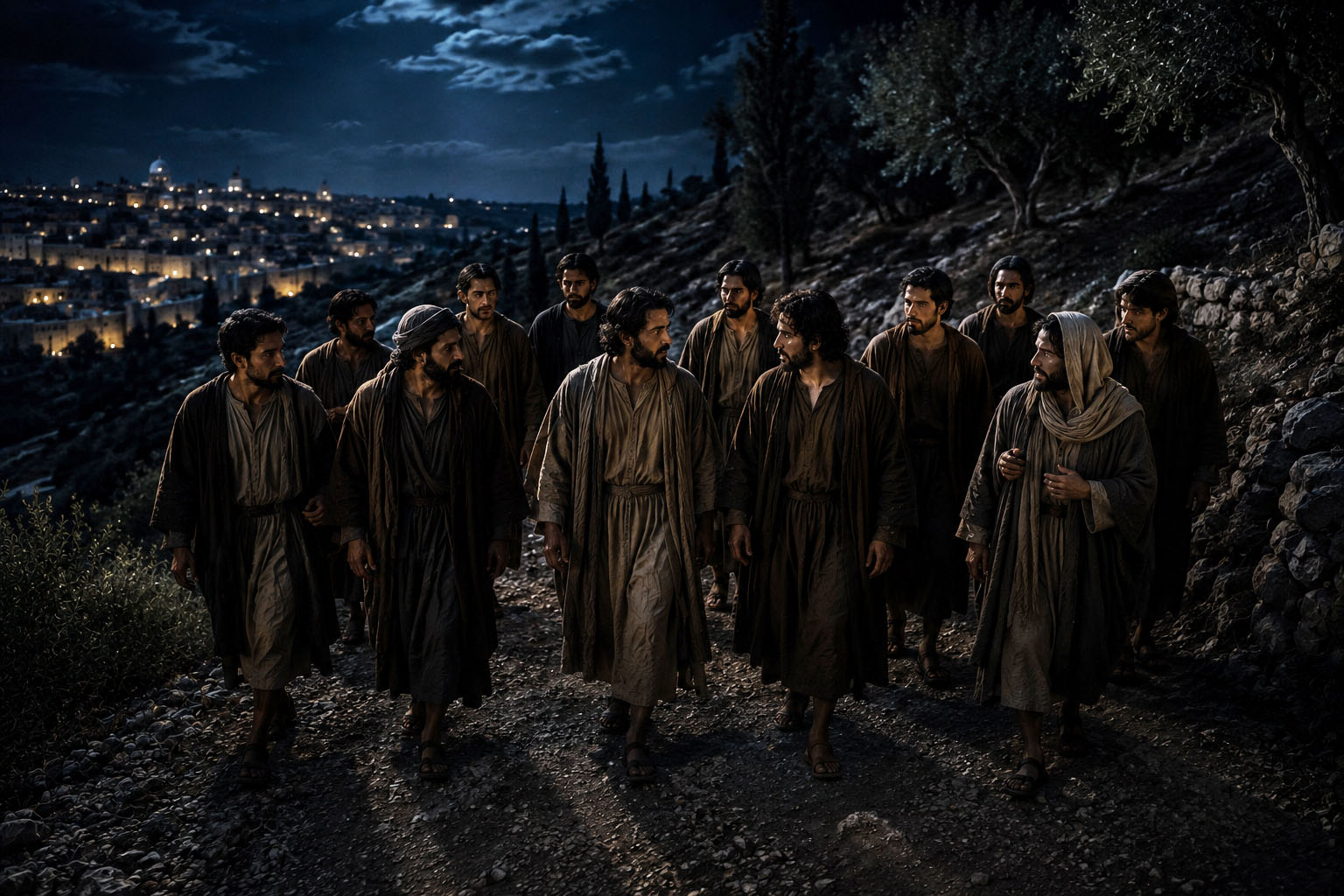
On the night of His arrest, Jesus prepared His disciples for the hatred they too would encounter.
A superficial reading of John 15:18–25 might assume that Jesus was speaking generally of the pagan nations or the unbelieving world at large.
While John's Gospel certainly uses the term "world" (kosmos) in this broader theological sense, the immediate historical context points more specifically to those who had already demonstrated their hatred toward Christ. A key question, therefore, is this: Who is the "world" that Jesus says hates Him, and from whom can His followers expect persecution?
Within the Gospel narratives, Jesus' principal opponents were the Jewish religious leaders and authorities.
The Pharisees, Sadducees, chief priests, scribes, and members of the Sanhedrin consistently rejected Him because His teaching exposed their hypocrisy, challenged their authority, and threatened the religious system they had constructed.
Their unbelief blinded them to His identity as the promised Messiah and the Son of God (John 11:47–53; 18:12–14, 19–24). Although others would later participate in His condemnation, these leaders stand at the forefront of the opposition that ultimately culminated in His crucifixion.
The Roman authorities certainly played a role in Jesus' execution, yet Pilate's involvement was largely political and came under sustained pressure from the Jewish leadership. Jesus' words in John 15 appear to reflect this already established hostility. The verb translated "hated" in verse 18 is in the perfect tense, indicating a hatred that has been expressed in the past and continues in the present. While this grammatical form does not identify who the persecutors are, it highlights the settled and enduring character of their hostility toward Christ.
A further clue appears in verse 25, where Jesus explains that this hatred fulfilled what "is written in their Law": "They hated me without cause" (Ps. 35:19; 69:4). By appealing to Israel's own Scriptures, Jesus places His rejection firmly within Israel's covenant history. The Jewish leaders were not merely political opponents; they had become the covenant community's representative expression of humanity's rebellion against its Messiah. Their rejection fulfilled the very Scriptures entrusted to them.
Nevertheless, John's use of "the world" extends beyond these immediate historical actors. Throughout his Gospel, the world represents humanity organised in rebellion against God and opposed to His Son. The Jewish authorities therefore function as the primary historical embodiment of that rebellion in this passage rather than exhausting the meaning of the term. Their hostility becomes the pattern through which the deeper spiritual reality of the world's opposition to Christ is revealed.
Jesus' warning that "the world will hate you because it hated me first" therefore carries both a historical and theological significance. Historically, His disciples would first experience persecution from the same religious establishment that rejected their Master. The book of Acts confirms this pattern repeatedly as the apostles faced imprisonment, threats, and violence at the hands of the Jewish authorities, the religious elite. Yet the principle extends beyond that first-century setting. Throughout history, all who remain in unbelief and rebellion against Christ, whether religious or secular, participate in the same opposition to His kingdom. The conflict is ultimately not ethnic or political but spiritual, reflecting the ongoing enmity between the kingdom of God and the kingdom of darkness.
This understanding also reflects the broader teaching of Reformed theology. The "world" denotes those who remain alienated from God through sin and unbelief. In John 15, however, Jesus first directs His disciples' attention to the particular manifestation of that hostility already confronting Him. The Jewish leaders stand as the immediate historical referent, while the wider unbelieving world shares in the same spiritual disposition that animated their rejection of Christ.
In conclusion, John 15:18–25 presents the Jewish religious leaders as the immediate historical expression of the world's hatred toward Jesus. Their opposition, however, is not merely an episode in Israel's history but the first historical manifestation of the broader rebellion of the world against God's Son. This establishes a sobering pattern for Christ's disciples. Persecution often begins, not with an openly pagan society, but among those who outwardly profess to be Christians. Just as Jesus was first rejected by the religious establishment of His own day, so His people should not be surprised when opposition arises from within the visible covenant community before it comes from the unbelieving world around them. And yet still, slow as we are in understanding, and having been warned by our Lord, we are so often shocked and bewildered when it takes place.